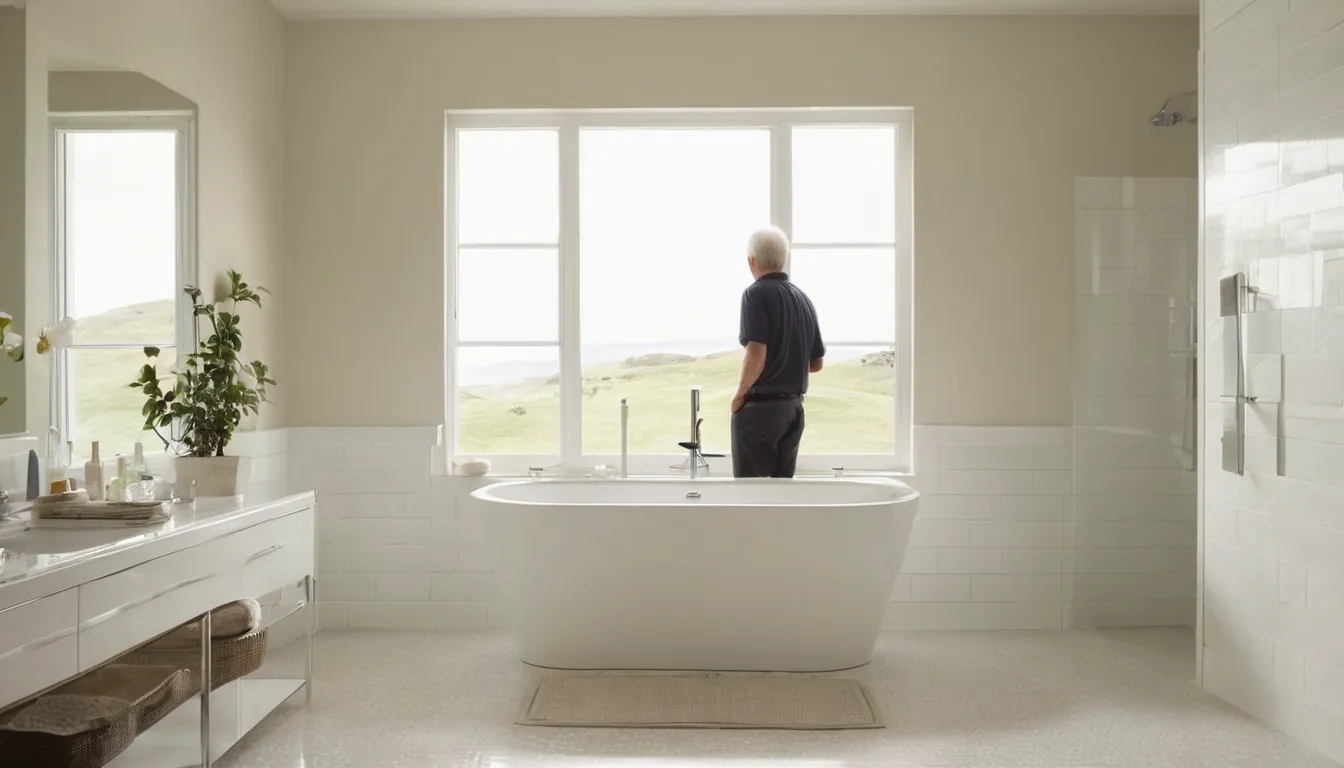
Walk-In Tubs for Safer Bathing at Home
Request an estimate from a local provider
A walk-in tub swaps the high wall of a standard tub for a small door. You step in, sit down and close the door. Then the tub fills. That is the whole idea. It cuts the climb that causes most bathing falls.
Enjoypayment Walk-In Tubs is a referral service. We explain the models, the likely steps and the typical costs. Then we connect you with independent providers in our network. They do the work. We do not. Homeowners in Wilmington and the Wilmington area use this page to sort out choices before anyone visits the house.
Bathing Feels Risky? Start Here
If stepping over the tub wall scares you, act now. Do not wait for a fall. A walk-in tub is one of the most common fixes. It is also a big project, so know the basics first.
The short version: a walk-in tub has a door, a built-in seat and a tight seal. You sit to bathe. You also sit while it fills and drains. That last part matters, and we cover it below.
Spot It Early: Signs It Is Time
Small signs show up before a big accident. Watch for these:
- You grip the towel bar or sink to get in or out.
- You skip baths and rush through showers.
- Someone else hovers nearby while you bathe.
- Your legs shake when you lift a foot over the wall.
- You feel dizzy when you stand up in hot water.
One of these is enough to start asking questions. Spot it early and you get more choices and less pressure.
Who a Walk-In Tub Suits
A walk-in tub fits people who like a full soak but cannot manage the step. That includes many older adults, people with sore joints or arthritis, and people recovering from surgery. Senior walk-in tubs are a common search for this reason.
It may not suit everyone. If you cannot sit upright without help, or you use a wheelchair that must roll right in, ask about other layouts. A walk-in shower can be a better match for some people. That option has its own page.
Common Walk-In Tub Features
Features vary by model. Here are the ones to look at:
- Door swing: inward or outward. Check the space in your bathroom.
- Seat height: it should let you sit and stand with ease.
- Grab bars: built in or added on.
- Slip-resistant floor: a textured base helps.
- Handheld sprayer: useful for rinsing and for caregivers.
- Quick-drain system: it shortens the wait with the door shut.
- Heated seat or backrest: nice in cold months.
Pick for daily use, not for the brochure. A feature you never touch is money spent for nothing.
Soaker, Jetted and Combination Models
A soaker is the plain version. It holds water and nothing else. It costs less and has fewer parts to fail.
A jetted model adds water or air jets. Some people find them soothing for sore muscles. They need more power and more upkeep. Jets can also clog if not cleaned.
A combination model offers both. It is the priciest of the three. Ask yourself one thing: will you really use the jets? If the answer is maybe, start with a soaker.
What the Installation Involves
It is more than swapping a tub. A provider will measure, then remove the old tub if you are doing a tub replacement. Next comes plumbing and drain work. The new tub is set, sealed and tested for leaks. Walls and finishes follow.
As a rough guide, plan for one to a few days of work. It can run longer if the plumbing or floor needs repair. Your bathroom will be out of use during that time, so plan another place to wash.
Check Your Water Heater
This catches many homeowners off guard. A walk-in tub is often deeper than a standard tub. You sit in the water while it fills and drains. If the water cools too fast, the bath turns cold with the door shut.
Check your tank size and its recovery speed. Ask the provider how many gallons the tub holds. A small or old tank may need an upgrade. Better to learn that before the tub arrives.
Older Homes and Cold Winters
Many homes in the Wilmington area are colonials, split-levels and rowhouses. Some have aging cast-iron or galvanized pipes. Those pipes can be corroded inside. A provider may find that during the job. Ask what happens to the price if they do.
Basement bathrooms and tight older bathrooms need extra care. A tub may need to fit through a narrow door or down a stairwell. Measure the path, not just the room. Humid summers also mean ventilation matters, so ask about a fan.
Questions to Ask the Installer
Write these down and bring them to every visit:
- What is the full price, in writing, with all parts and labor listed?
- How long does the job take?
- Who handles permits, if your area requires them?
- What does the warranty cover, and who honors it?
- Will the door seal be tested before you leave?
- What happens if the old plumbing needs repair?
- Can you see the exact model, not just a similar one?
If an answer is vague, ask again. A good provider gives clear numbers.
Living With a Walk-In Tub
Daily use is simple, with a few habits. Close the door and check the seal before filling. Keep a towel and robe within reach, since you wait for the drain. Clean the jets on a schedule if you have them. Wipe the seal and door track to keep them working.
Some people warm the room first. A cold bathroom feels worse when you sit wet for several minutes.
Involve the Person Who Will Use It
This is the step people skip. Ask the person who will bathe in it to try one if they can. Sit in a showroom model. Check the seat height, the reach to the controls and the door handle.
It is their bathroom and their comfort. A tub that looks great but feels wrong will sit unused.
What's Included
Review of Your Bathroom Space
A provider checks the room, the door path and the plumbing to see which walk-in tub models actually fit.
Model Guidance
Get a plain rundown of soaker, jetted and combination tubs and what each means for cost.
Written Quote Details
Ask for a written estimate that lists the tub, labor, plumbing changes and finish work separately.
Installation and Testing
The provider removes the old tub, sets the new one, seals it and tests the door and drain.
Typical Walk-In Tub Cost Ranges
These are typical U.S. ranges. Your price depends on the model, the bathroom and the plumbing. Prices change by provider and by job, so get a written quote before you agree to anything.
| Item | Typical range | Notes |
|---|---|---|
| Soaker walk-in tub unit | $2,500 – $6,000 | Simplest design, fewer parts to maintain |
| Jetted or combination unit | $4,000 – $10,000 | Jets add cost and upkeep |
| Installation labor | $1,500 – $5,000 | Higher for tight or upper-floor rooms |
| Plumbing and drain changes | $500 – $3,000 | Older pipes can raise this |
| Electrical work for jets or heaters | $300 – $1,500 | Often needs a dedicated circuit |
| Water heater upgrade | $800 – $3,000 | Only if the tank is too small |
How It Works
Tell Us About Your Bathroom
Send a short request with your room size, who will use the tub and what worries you most.
Get Matched With Providers
We connect you with providers in our network who handle walk-in tubs near you.
Compare Written Estimates
Review the quotes side by side. Check what each one includes and ask about anything unclear.
Choose and Schedule the Work
Pick the provider you trust and agree on a start date and plan.
Why Call Enjoypayment Walk-In Tubs
Plain Answers
You get the options, the likely steps and the typical costs explained in simple words before any provider visits.
Local Providers
Providers in our network work in your area and know local homes.
No Pressure
Request an estimate and compare. There is no obligation to move forward.
Honest Role
Enjoypayment Walk-In Tubs is a referral service. Independent providers do the work, and we say so up front.
Other Services
Need walk-in tubs in Wilmington?
- Compare walk-in tubs and walk-in showers
- Plain answers before any work starts
- Independent local providers do the work
- Request an estimate, no obligation
Walk-In Tubs FAQ
How much does a walk-in tub cost?
Typical U.S. totals run from about $5,000 to $15,000 or more with installation. The model, plumbing condition and bathroom layout change the price. Get a written quote that lists every item.
Can a walk-in tub replace my existing bathtub?
Yes, in many homes. A provider removes the old tub and sets the new one in its place. Tight rooms or old plumbing may need extra work, so ask for a site visit.
Does insurance pay for a walk-in tub?
Usually not for a standard purchase. Some programs or policies may help in certain cases, so check your plan. Providers can often supply details that help with paperwork.
Tell us what happened
Request an estimate and tell us about your bathroom. A local provider in our network will follow up. Prefer to talk? Request a callback to check provider availability.
No obligation